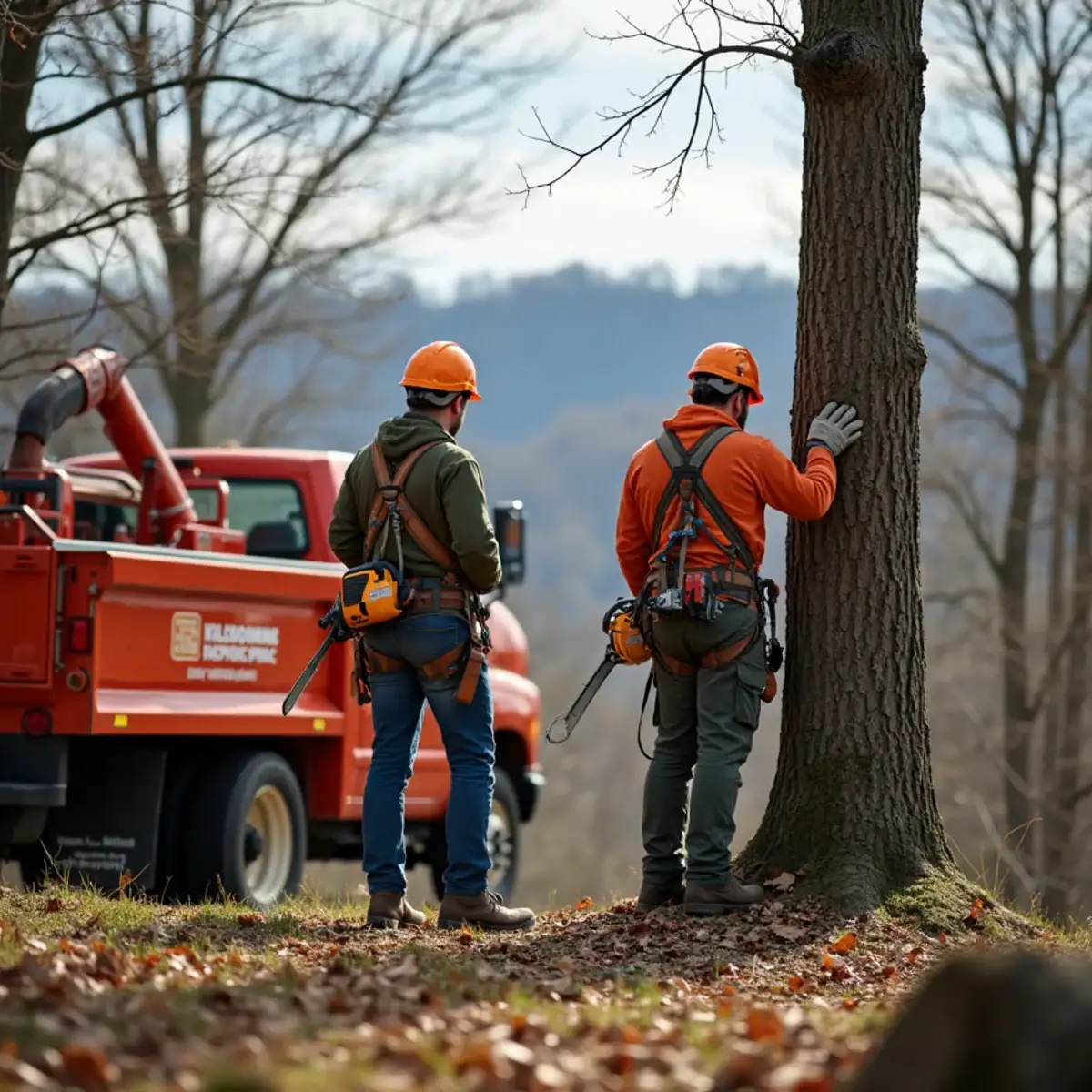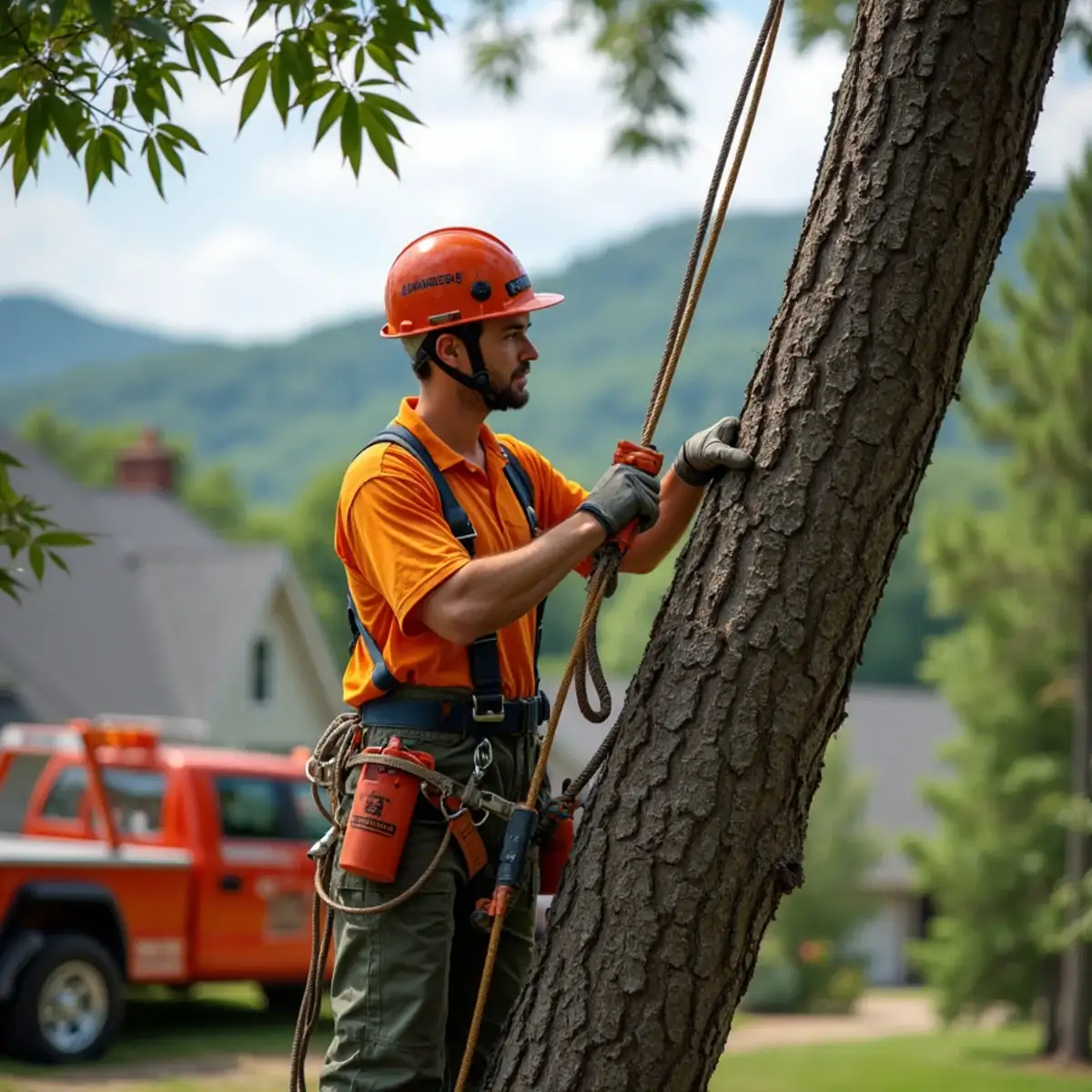
For a homeowner, a fallen limb is a bad day. For a property manager, campus, or retail owner, it can be an injury claim, a lawsuit, and a headline. Commercial trees carry commercial risk — and the best way to manage that risk is to get ahead of it with a documented, proactive program rather than reacting after something breaks.
Risk is defect plus target plus people
A commercial property concentrates people exactly where the liability is highest — under trees over parking lots, walkways, playgrounds, and entrances. A defect that would be a minor concern over a back fence becomes a serious exposure over a customer walkway. Managing that starts with knowing what you have, which is why we begin with a tree inventory and hazard audit through our commercial tree service.
Proactive beats reactive — and documents it
A scheduled maintenance program does two things at once: it removes hazards before they fail, and it creates a paper trail showing you exercised reasonable care. If an incident ever is questioned, documented inspections and completed work are your strongest defense. Reactive-only tree care leaves you exposed on both counts.
- Inventory and hazard audit of all property trees
- Priority ranking by risk to people and structures
- Scheduled pruning, removals, and deadwood clearing
- Documentation for liability, budgeting, and boards
- Priority storm response to reopen the site fast
Work that respects operations
Commercial work has to fit around business hours and keep the site safe for staff and customers while it's underway. We schedule accordingly — early, late, or weekend where needed — and clean up completely so you can open without a mess. For storm events, regulars get priority emergency response to clear access fast.
The liability math property managers miss
For a commercial property, the cost of tree care isn't really the pruning invoice — it's the exposure of not doing it. A limb over a parking lot or a walkway that fails and strikes a person or a car turns into an injury claim, a liability review, and a question every manager dreads: did you know that tree was a hazard, and what did you do about it? A documented program answers that question in your favor. It shows a reasonable, consistent standard of care — inventories, hazard rankings, and a record of the work performed — which is precisely what a defense hinges on. Reactive-only tree care leaves you exposed on both fronts: the incident itself, and the absence of any paper trail showing you tried to prevent it.
What a proactive program actually includes
"Tree management" is vague until you see what's in it. A real commercial program bundles several distinct pieces into one predictable service:
- A tree inventory and hazard audit of the whole property, ranked by risk to people and structures
- A maintenance schedule that addresses the worst first and spreads routine pruning across the year and the budget
- Clearance work that keeps parking, walkways, signage, and lighting sightlines open
- Documented completed-work records after each visit for your files and your board or corporate office
- Priority storm response so a closed site reopens fast
Budgeting tree care as a line item, not a surprise
The reason reactive tree care wrecks budgets is that it arrives as emergencies — always at the worst time, always at emergency rates. A managed program converts that unpredictable exposure into a planned, defensible line item. When we build a program budget, it typically separates:
- The upfront inventory and hazard audit — a one-time baseline that ranks every tree by risk
- Recurring maintenance — pruning and clearance spread across the year so no single quarter takes the whole hit
- A prioritized removals list — the highest-risk trees scheduled first, the rest planned over future budget cycles
- A modest reserve for storm response, which is far smaller than the cost of emergency-only reactive work
- Documentation and reporting, which cost little and pay for themselves the first time a claim or complaint is questioned
- Set against the price of a single injury claim or a downed tree closing a site, a planned program is the cheaper number almost every time
For Upstate campuses and managers
Whether it's a retail center, an HOA's common areas, or a campus around Greenville, we build a tree program that manages your liability and keeps the grounds sharp. It's tree care as risk management — which is how commercial owners should think about it.
Need help from a real Upstate tree crew?
Free estimates, 24/7 emergency response, fully insured. Call Rig Line Tree Service today.
Frequently asked
Because the risk is continuous and the liability is real. A documented, proactive program removes hazards before they fail and creates the record of reasonable care that protects you if an incident is ever questioned. One-off calls leave you exposed on both counts.
We inventory the trees on the property, inspect each for the defects that precede failure, and rank them by the risk they pose to people and structures. You get a prioritized list and a maintenance plan, so budget goes to the highest-risk trees first rather than being spent at random.
Yes. We schedule around your operating hours — early, late, or weekends where needed — keep the site safe for staff, customers, and residents while we work, and clean up completely so you can open without a mess.
Yes, and it's a core part of the service. Inventories, hazard rankings, and completed-work records support budgeting and board reporting and serve as your evidence of reasonable care for liability purposes.
Maintenance clients get priority response. We clear blocked access, entrances, and parking first so you can safely reopen, then handle the fuller cleanup — with the same documentation you'd expect for an insurance claim.
For most commercial and HOA properties, an annual hazard audit is a sensible baseline, with an added check after any major wind or ice storm. High-traffic areas — trees over parking, entrances, and walkways — warrant closer attention, since that's where a failure carries the most liability.