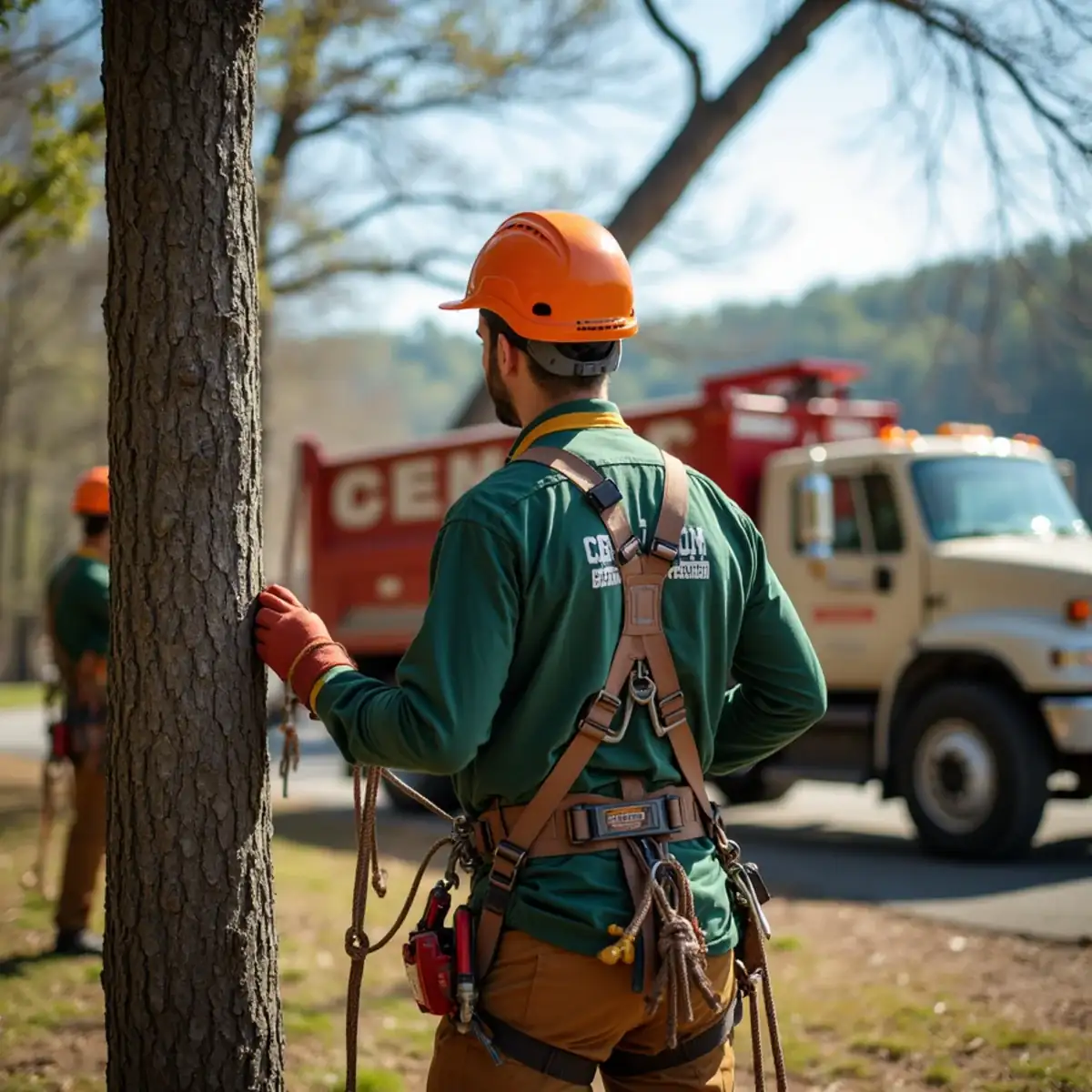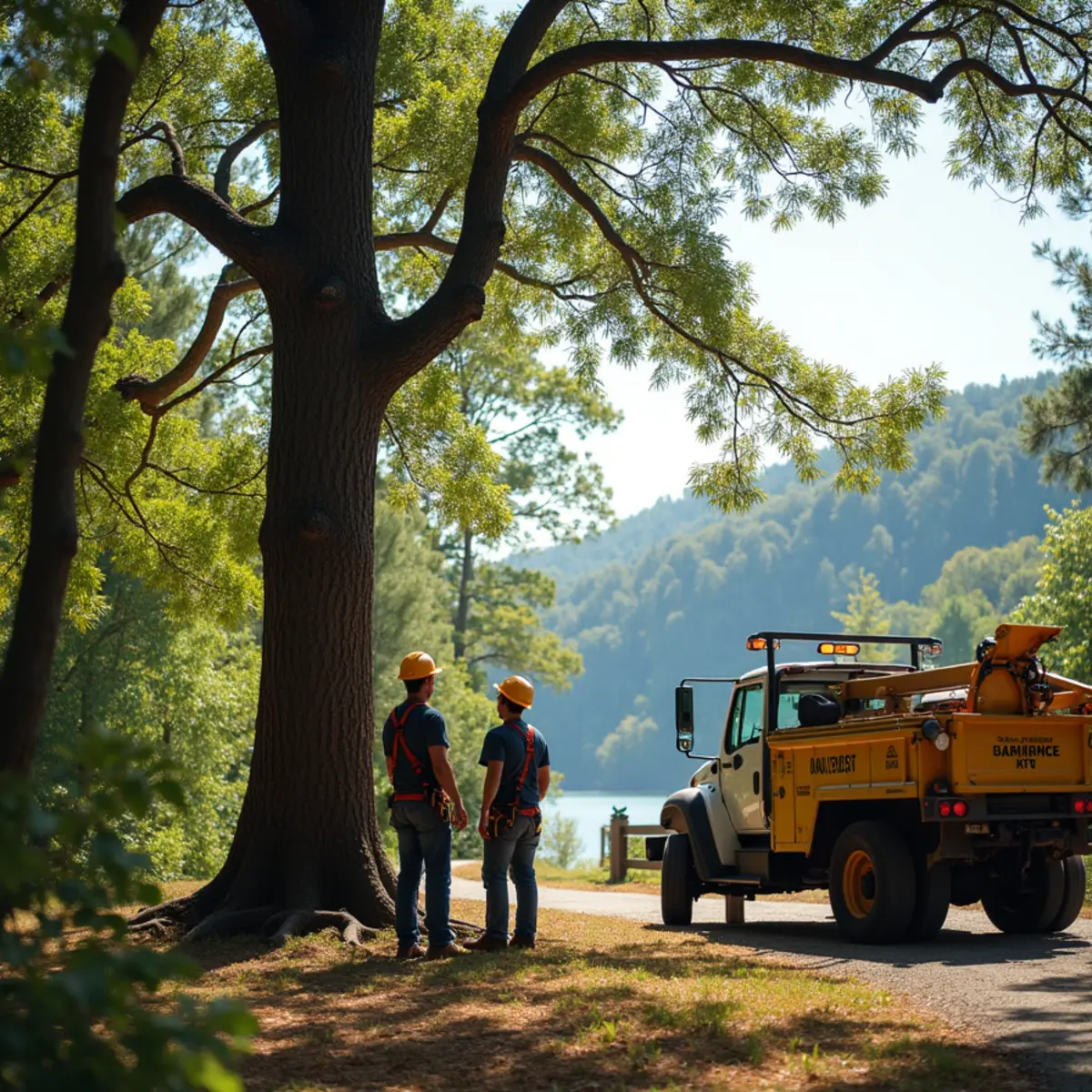
It's the question we hear before a lot of removals around Westminster: do I actually need permission to take down my own tree? For most private residential property in Oconee County the short answer is no — but 'usually not' isn't 'never,' and a few specific situations carry real rules and real penalties for ignoring them. Here's how to tell which bucket your tree falls into before a saw ever touches it.
On your own private property: usually no permit
South Carolina has no statewide law requiring a homeowner to get a permit to remove a tree on their own residential land, and unincorporated Oconee County does not impose a general tree-removal permit on private lots. If you own a typical house-and-yard parcel outside a special district, you can generally remove your own trees without filing anything. That covers the large majority of the removals we do across the county.
Inside city limits: check the local ordinance
Incorporated towns and cities can and sometimes do regulate trees more tightly than the county — protecting street trees, trees over a certain size, or trees in designated districts. If your property sits inside the limits of a municipality rather than in the unincorporated county, it's worth a quick call to the local planning or zoning office before removing a large or street-facing tree. Rules vary town to town, and this is the one check most people skip.
Lake Keowee and Lake Hartwell: the shoreline buffer
This is the big one in our area. Trees within the shoreline management zone of a Duke Energy (Keowee) or Army Corps of Engineers (Hartwell) lake are not simply yours to cut — the vegetation in that buffer is regulated to protect the bank and water, and removing or even heavily trimming trees there can require authorization. We break the Hartwell rules down in detail in our guide to the Lake Hartwell Corps of Engineers shoreline tree rules. If your tree is on the water side of your lot, confirm the rules before you remove it.
HOA and gated communities: private rules on top of the law
Many of the lake and golf communities around Keowee and the Upstate have covenants that govern tree removal independently of any government permit — sometimes protecting specimen trees, sometimes requiring architectural-committee approval before anything comes down. These are private contracts you agreed to, and they're enforced by the association, not the county. If you're in an HOA, check your covenants or ask the board before scheduling. Our look at HOA tree rules in gated lake communities covers how these usually work.
Right-of-way and utility trees: not yours to cut
A tree in the public road right-of-way, or one growing into primary power lines, is generally the responsibility of the county, the state DOT, or the utility — not the adjacent homeowner. Don't remove a tree between the road and your property line without checking who owns that strip, and never attempt a tree touching a power line yourself. Line-clearance work is specialized and dangerous, and the utility typically handles trees threatening their lines.
Boundary trees: get the neighbor on board
A tree whose trunk straddles a property line is, in practice, jointly owned — and removing it without the neighbor's agreement is how a tree job becomes a legal dispute. It isn't a permit issue, but it's the same kind of 'check first' situation. When we quote a boundary tree we talk the property-line question through with you so there are no surprises next door.
The simplest way to be sure
The honest reality is that most Oconee County homeowners can remove their own yard trees freely, and the exceptions are specific and knowable: inside city limits, in a lake buffer, under an HOA, or in a right-of-way. When we come out to quote a tree removal we help you confirm which rules actually apply to your lot before any work is scheduled — so you're never the one left explaining an unpermitted cut. Homeowners across Westminster, Seneca, and the Lake Keowee area rely on us to sort that out up front.
Need help from a real Upstate tree crew?
Free estimates, 24/7 emergency response, fully insured. Call Rig Line Tree Service today.
Frequently asked
For a typical residential lot in the unincorporated county, generally no — South Carolina has no statewide homeowner tree-removal permit, and the county doesn't impose a general one. The exceptions are city limits, lake shoreline buffers, HOA covenants, and public rights-of-way.
Not freely. Trees in the regulated shoreline buffer managed by Duke Energy (Keowee) or the Army Corps of Engineers (Hartwell) are protected, and removing or heavily trimming them can require authorization. Always confirm the shoreline rules before cutting on the water side of your lot.
Depending on the situation it can mean fines, required replanting, or action by your HOA. The penalties are specific to who regulates the tree — a municipality, a lake authority, or a homeowners association — which is exactly why it's worth confirming the rules before the tree comes down.
Yes. When we come out to quote a removal we help you confirm whether city, lake-buffer, HOA, or right-of-way rules apply to your specific property before we schedule anything, so the job is done cleanly and without surprises.