We won't put a fake number at the top of this page. Anyone who quotes stump grinding sight-unseen is guessing, and the honest truth is that two stumps the same height can cost very different amounts depending on what's around and under them. What we can do is show you exactly what moves the price, so when you get a quote — from us or anyone else — you understand what you're paying for.
1. Diameter is the biggest single factor
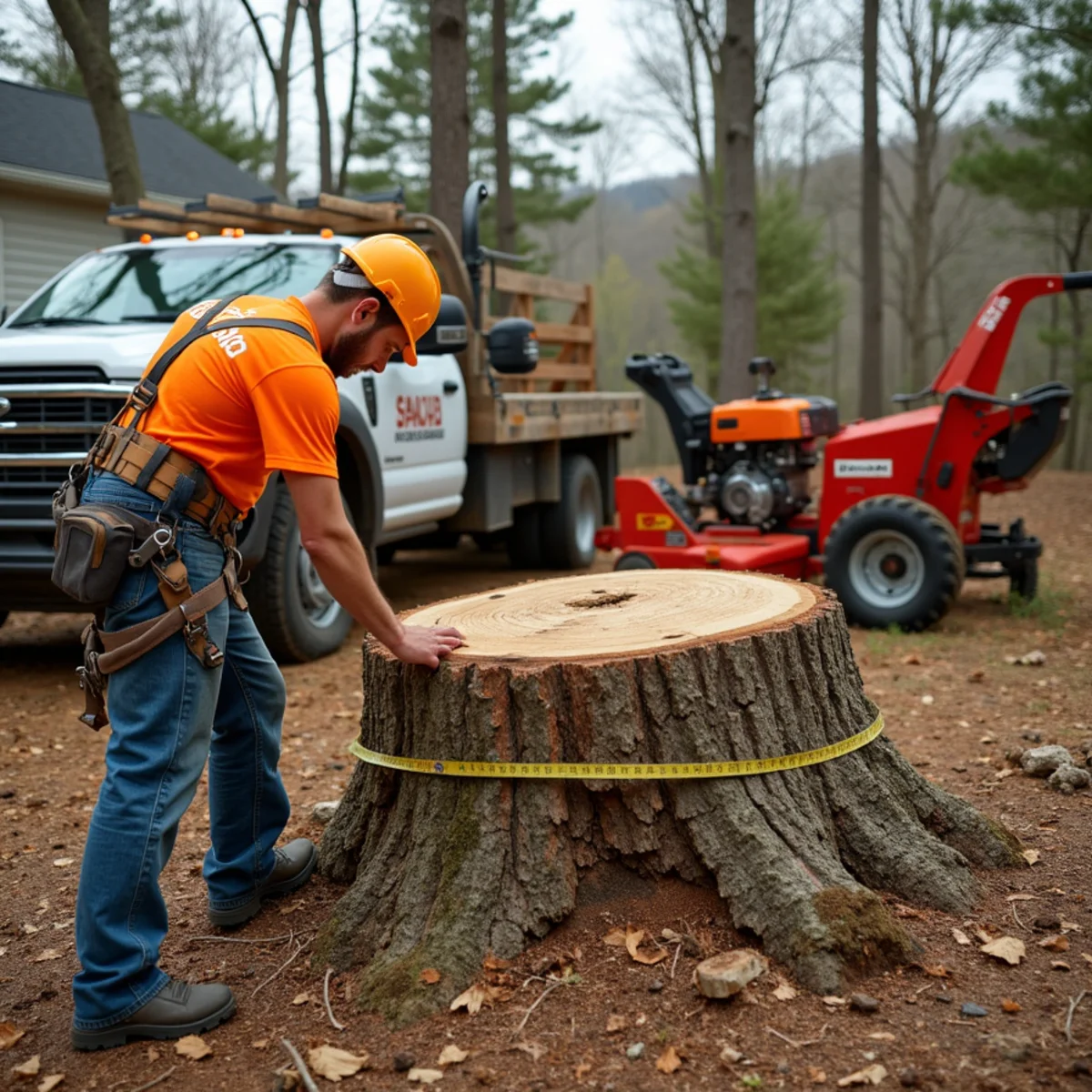
Grinding is priced mostly by the size of the stump, and diameter matters more than height because it's the width that determines how much wood the machine has to chew through. A ten-inch dogwood stump is a quick job; a forty-inch oak is a different animal entirely. When you measure for a quote, measure the stump at its widest point across the top, including any flaring root buttress at the base — that flare is part of what gets ground.
2. How many stumps, and how close together
The first stump carries the cost of getting the machine to your property; after that, each additional stump is cheaper per unit — especially if they're clustered so the grinder isn't repositioning across the yard. A single stump has a different per-stump cost than ten stumps from a lot clearing. If you've got several, grinding them in one visit is almost always the better value.
3. Access to the stump
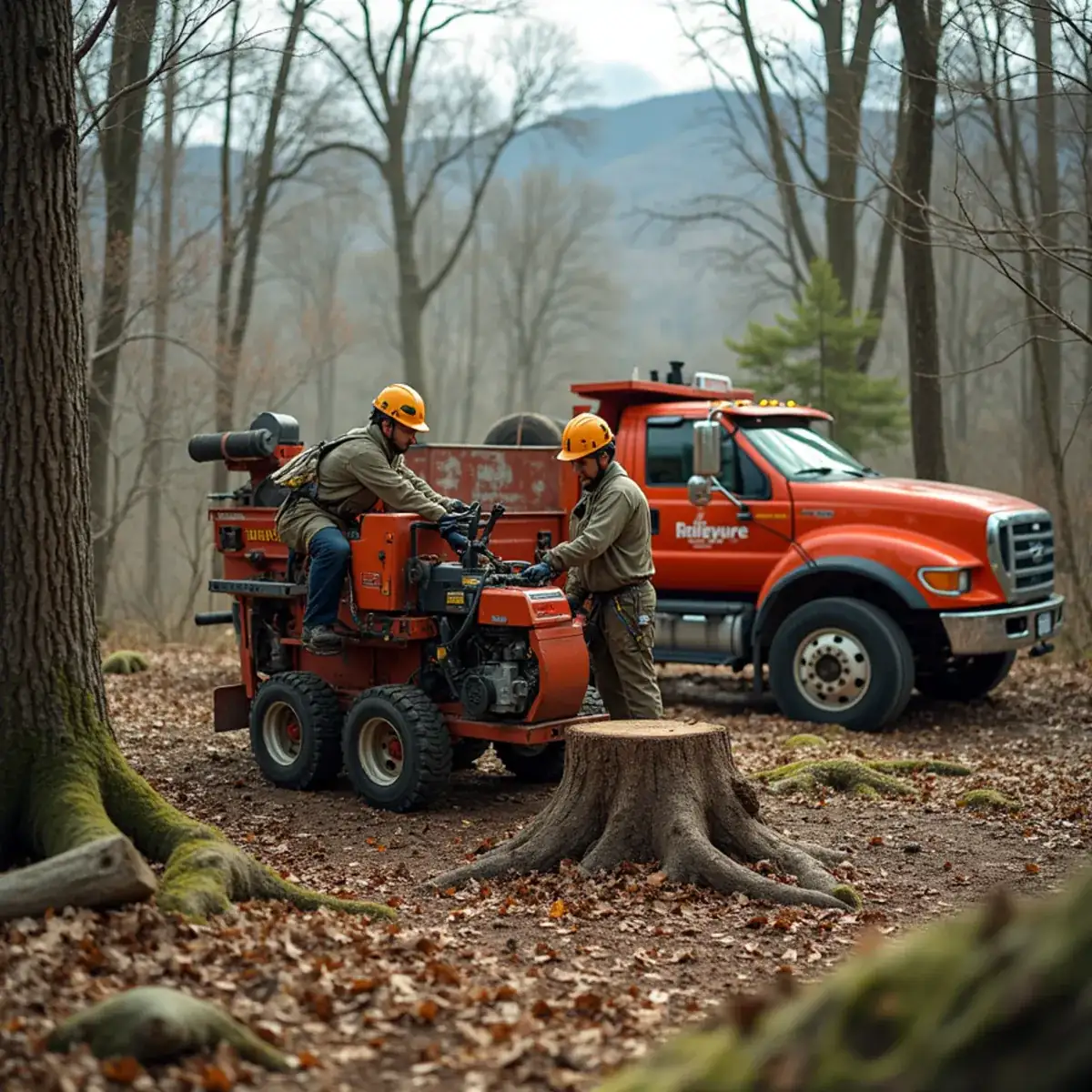
A stump grinder has to physically reach the stump, and that's where Upstate lots get interesting. A stump in an open front yard is simple. A stump behind a locked gate the machine barely fits through, up a steep lake bank, or boxed in by a deck and a fence takes longer to reach and work — and access, not the stump itself, is often what separates two quotes. The harder the machine is to get to the wood, the more the job costs.
4. Grinding depth and root chasing
Standard grinding takes the stump a few inches below grade — enough to turf over and mow. Going deeper for replanting, or chasing surface roots that are heaving a walk or lawn, adds time and therefore cost. If you're planning to plant a new tree in the same spot or need the roots followed out, say so up front; it changes the scope.
5. Our red clay and hidden rock
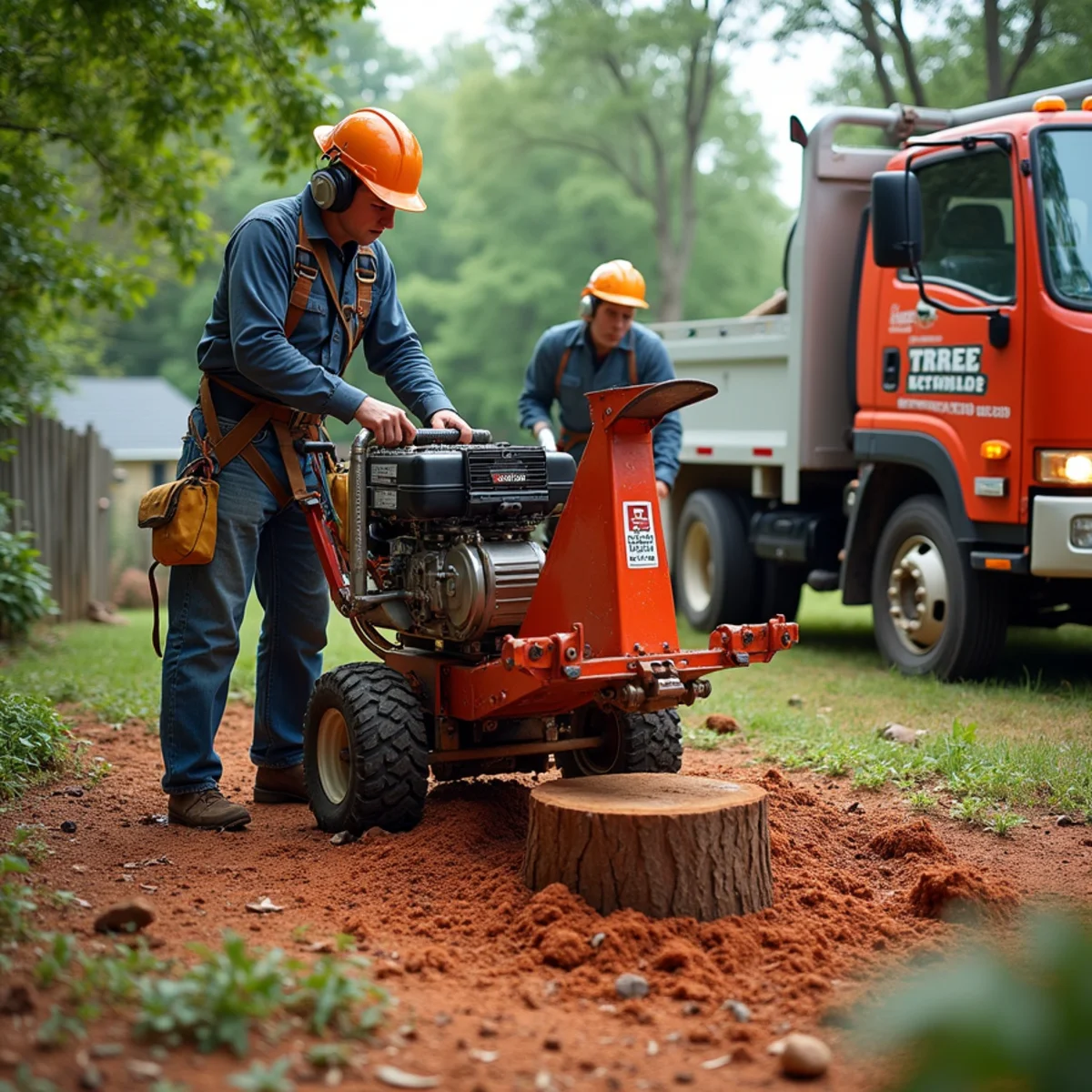
Foothill ground has its own surcharge built in. Oconee County red clay packs hard, and rocks hide in it — and nothing dulls or damages a grinding wheel's teeth like an unseen stone. Rocky, sloped, or heavily compacted sites genuinely take longer and wear equipment faster, which is reflected honestly in the quote. We get into why in our guide to stump grinding on rocky foothill slopes.
6. Cleanup and the grindings
Grinding produces a surprising volume of wood chips — often more than the original stump looked like it could hold. Leaving the grindings mounded in place to use as mulch costs nothing extra. Having them raked out, hauled off, and the hole backfilled with topsoil is additional labor. It's a small line item, but it's one worth deciding on so your quote matches what you actually want left behind.
The honest way to get a real number
Because every one of these factors is site-specific, the only accurate stump grinding price is one from someone who has seen the stump. Our estimates are free and come as a written scope, so you know exactly what's included — diameter, count, access, depth, and cleanup — before any work begins. If the tree is still standing, we'll usually quote the stump grinding as part of the removal, which is the most efficient way to handle both. Homeowners across Westminster and Oconee County get a firm number this way.
Need help from a real Upstate tree crew?
Free estimates, 24/7 emergency response, fully insured. Call Rig Line Tree Service today.
Frequently asked
Because an honest number depends on what the machine can see on site — the stump's diameter including its root flare, how many stumps there are, how hard they are to reach, the grinding depth, and whether there's rock in the clay. A sight-unseen figure would just be a guess, and we'd rather quote it right.
Usually, yes. The grinder is already on site and the crew is already there, so handling the stump as part of the removal avoids a second trip charge. If you know you want the stump gone, tell us when we quote the tree.
Per stump, yes — the first one carries the cost of mobilizing the machine, and each additional stump is cheaper, especially if they're grouped together. Grinding several in one visit is far better value than one at a time.
Large diameter, difficult access (steep banks, narrow gates, tight spaces), extra grinding depth for replanting, surface-root chasing, and rocky or compacted red-clay soil all add time and wear — which is what the price reflects.