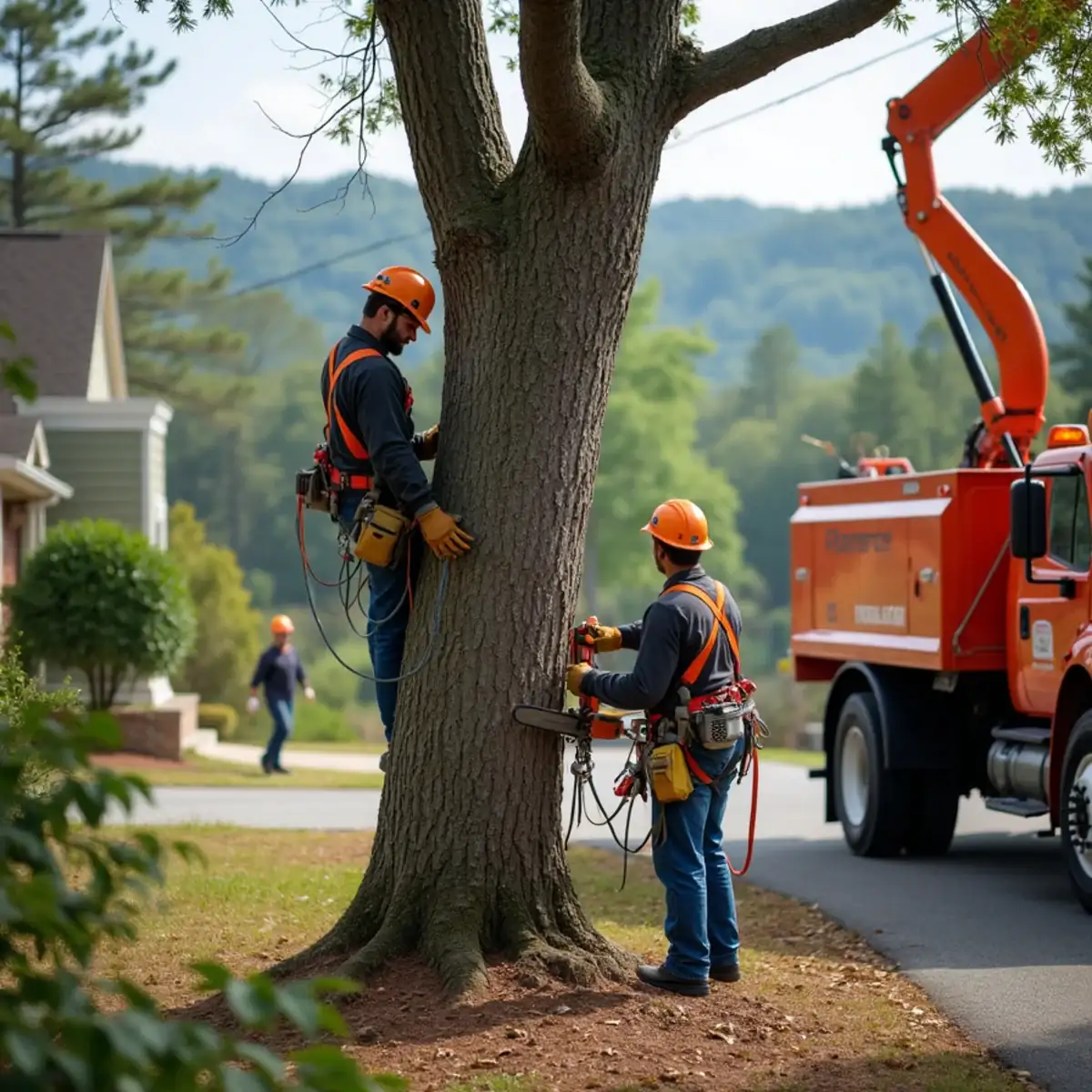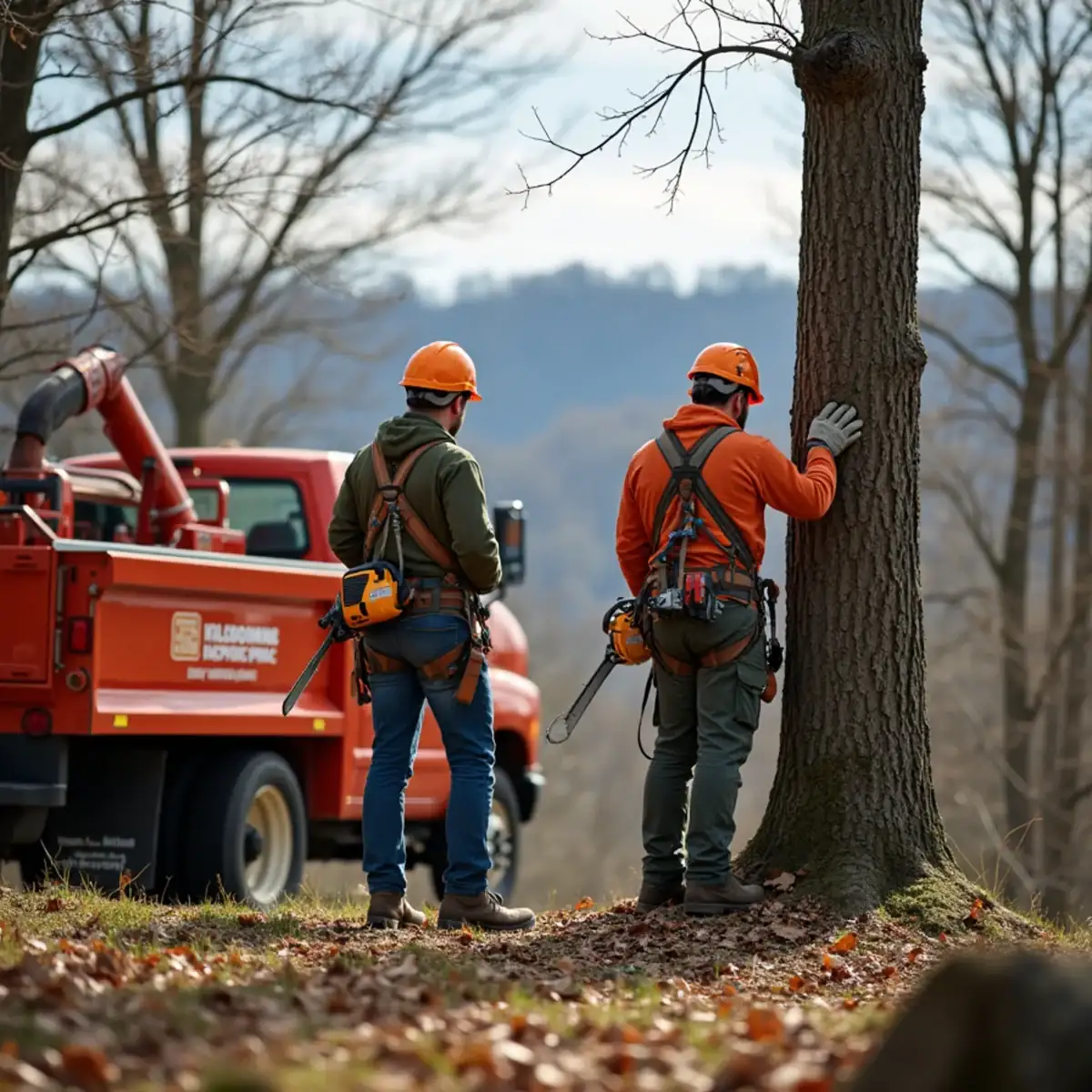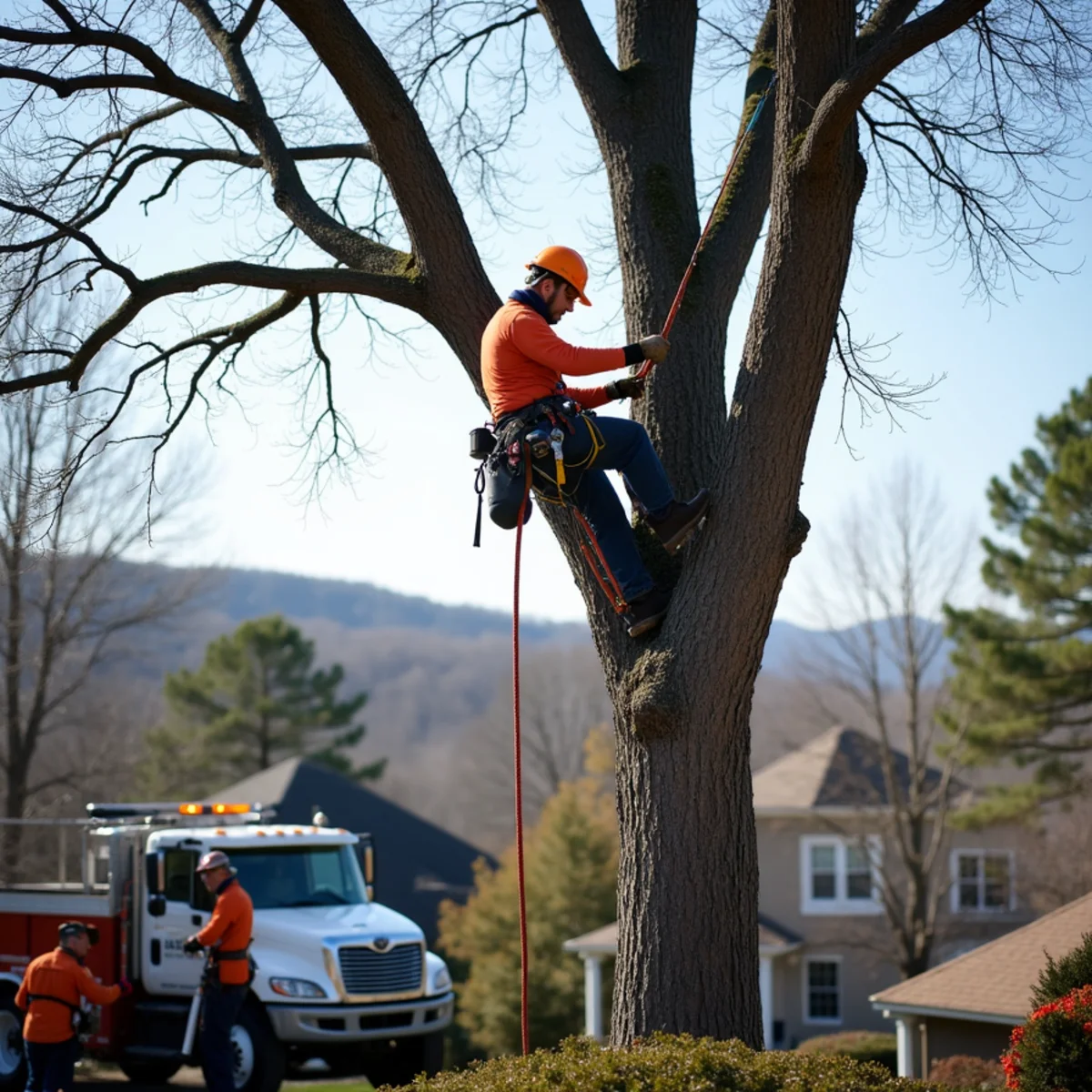
Pruning is the cheapest insurance a tree owner can buy — a well-timed trim prevents the broken limbs, storm failures, and overgrown canopies that turn into expensive problems later. But 'how often' genuinely depends on the tree. Here's a practical schedule for the species that fill Upstate yards, the right season for each, and the timing mistakes that do more harm than good.
The general rule: young often, mature rarely
Young and newly planted trees benefit from light structural pruning every two to three years — this is when you shape good branch architecture and head off the weak, co-dominant unions that fail decades later. Mature, established shade trees usually need attention far less often: a maintenance prune every three to five years is plenty for most, mainly to clear deadwood and keep the canopy sound. Pruning a healthy mature tree more than that isn't 'tidier' — it's stress.
By tree type
- Young shade trees (oak, maple, poplar): light structural pruning every 2–3 years while they're establishing good form
- Mature hardwoods: a deadwood-and-safety prune every 3–5 years, more often only if there are limbs over a target
- Pines: rarely need routine pruning — mostly deadwood removal and raising the canopy; don't over-cut
- Fruit trees: annual dormant-season pruning for production and airflow
- Crape myrtles and ornamentals: light annual shaping — never the hard 'topping' that ruins them
The best time to prune in the Upstate
For most trees around here, late winter — roughly January into early March, while the tree is dormant and before spring bud-break — is the ideal window. The tree isn't actively growing, the bare canopy makes structure easy to read, and wounds close quickly as growth resumes. Dead, broken, and hazardous limbs are the exception: those can and should come off any time of year, because a dead limb over your roof doesn't wait for a season.
When NOT to prune
Timing mistakes cause real damage. A couple of Upstate-specific ones worth avoiding:
- Avoid heavy pruning of oaks from spring through midsummer, when fresh cuts can attract the beetles that spread oak wilt
- Don't prune in early fall — cuts made just before dormancy close slowly and can push tender growth that winter kills
- Never 'top' a tree to control its size; it triggers weak, fast regrowth, as we explain in crown reduction vs. topping
- Go easy on pines — removing too much live canopy stresses them and invites bark beetles
Signs your tree is overdue
Rather than watching the calendar, watch the tree. These are the signs it's time for a prune regardless of when you last did one:
- Dead or broken limbs hanging in the canopy, especially over the house or drive
- Branches rubbing the roof, blocking a walk, or crowding power service
- A dense, tangled canopy that never dries out or lets light through
- Limbs growing back toward the center or crossing and chafing each other
- A heavy limb reaching far out over a target with little support behind it
The bigger picture: pruning prevents removals
The trees that fail in Upstate ice and wind storms are very often the ones that were never structurally pruned when they were young — the weak union nobody corrected at fifteen years old becomes the split trunk at forty. Regular, correct tree trimming and pruning is how you keep a tree off the removal list and standing for another generation. When we prune we're thinking about the next storm, not just this season's appearance. Homeowners across Westminster, Seneca, and Clemson put their trees on a sensible maintenance rhythm with us.
Need help from a real Upstate tree crew?
Free estimates, 24/7 emergency response, fully insured. Call Rig Line Tree Service today.
Frequently asked
Most established, healthy shade trees need a maintenance prune every three to five years — mainly to remove deadwood and keep the canopy sound. Pruning a healthy mature tree more often than that doesn't help it and can stress it. Dead or hazardous limbs, though, should be removed whenever you spot them.
Late winter — roughly January to early March — is ideal for most trees here. They're dormant, their structure is easy to read without leaves, and wounds close fast once spring growth begins. Dead, broken, or dangerous limbs are the exception and can come off any time.
Yes. Heavy pruning of oaks in spring and summer can attract beetles that spread oak wilt, early-fall cuts close slowly and can push cold-tender growth, and topping any tree triggers weak regrowth. The season and the method both matter — which is why hazardous limbs are the only pruning that should ignore the calendar.
Watch the tree, not just the calendar: hanging deadwood, limbs rubbing the roof or crowding lines, a canopy too dense to dry out, and heavy limbs reaching over a target are all signs it's overdue. Any of those is worth a look regardless of when it was last pruned.