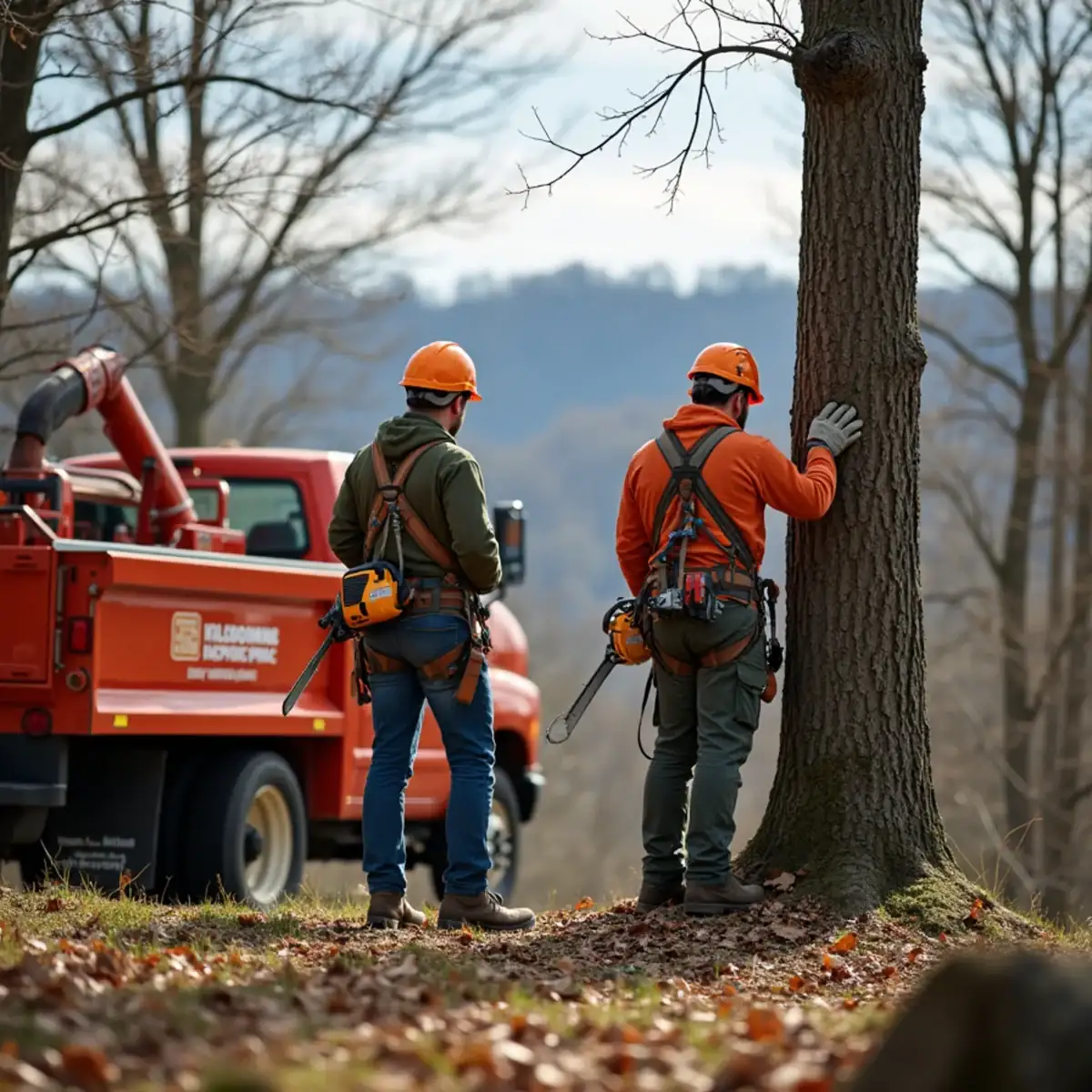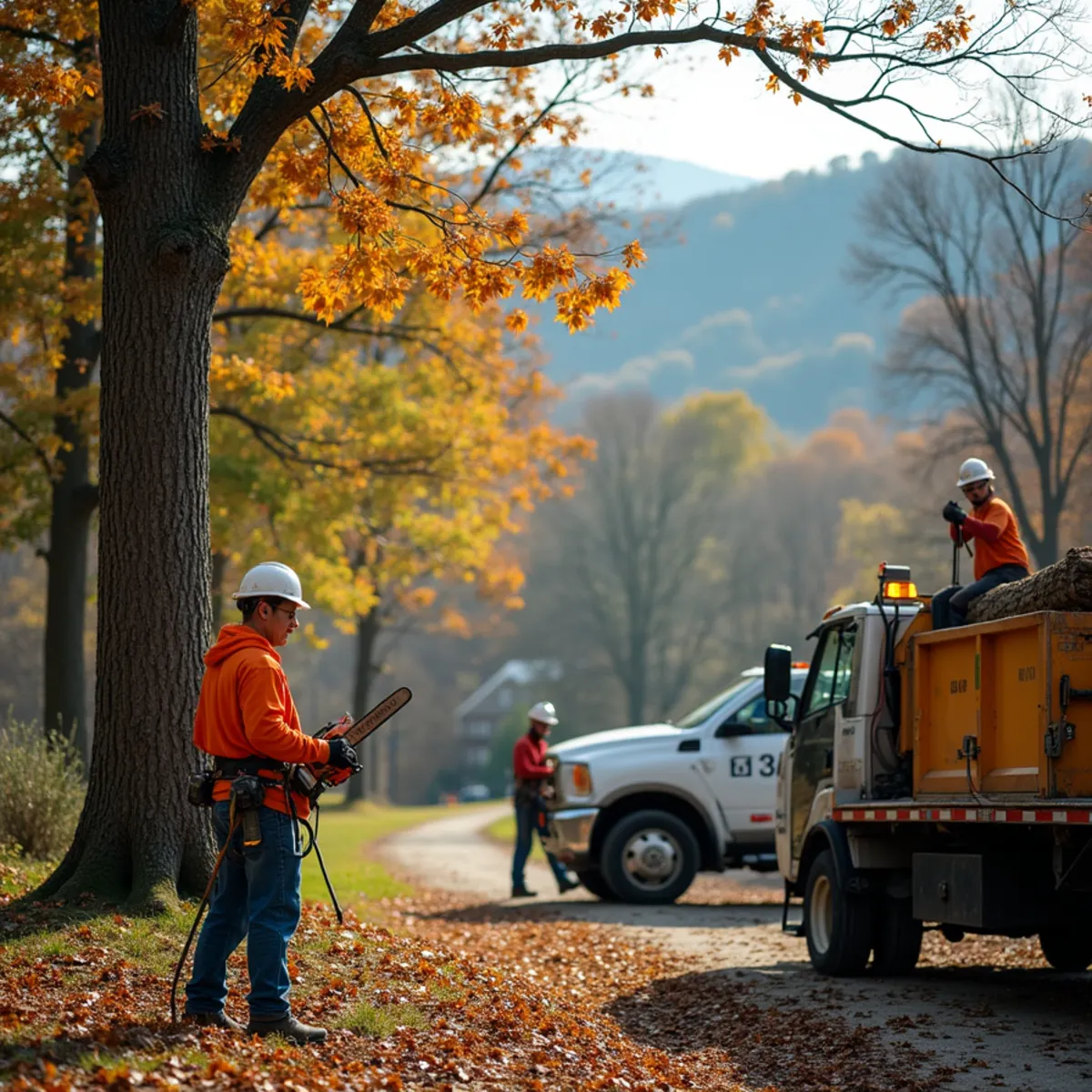
The trees that sail through Upstate ice storms and summer straight-line winds didn't get lucky — they got looked after on a schedule. You don't need to be an arborist to keep your trees sound; you need to do the right small thing in the right season. Here's a practical, foothills-specific calendar for the oaks, pines, maples, and hardwoods around Westminster and the lakes.
Winter (December–February): the main pruning window
Dormant season is the best time for most structural and maintenance pruning. The leaves are down so the structure is easy to read, the tree isn't actively growing, and wounds close fast when spring arrives. It's also the ideal time for a hard look at the bare canopy for the cracks, weak unions, and deadwood that winter ice will find first.
- Schedule structural and maintenance pruning while trees are dormant
- Inspect the bare canopy for cracks, hanging limbs, and weak forks before ice loads them
- Address any tree leaning over the house before the next glaze storm
Spring (March–May): inspect and clean up
Spring is for assessing what winter did and watching the tree wake up. A tree that leafs out thin, late, or unevenly is telling you something about its roots or health. It's also cleanup season for the deadwood and small debris winter shook loose.
- Walk the property for storm-loosened limbs and winter deadwood
- Watch for trees that leaf out poorly — a sign of root or health trouble
- Avoid heavy pruning of oaks now through summer (fresh cuts can attract oak-wilt beetles)
Summer (June–August): watch for pests and storms
Summer is pest-and-storm season in the Upstate. This is when bark beetles work the pines and when the afternoon thunderstorms that roll off the Blue Ridge do their damage. Keep an eye on the pines especially — a crown fading from green toward yellow or red is the warning sign covered in our guide to southern pine beetle signs.
- Check pines for fading crowns, pitch tubes, and sawdust (bark beetle signs)
- After each storm, look up for hung-up limbs and fresh breaks
- Keep an eye on trees near the house; heat-stressed, saturated soil loosens root plates
Fall (September–November): storm-proof before winter
Fall is preparation season. The goal is to go into ice-storm season with nothing hanging, cracked, or leaning that didn't have to be there. This is the time for a pre-winter safety check — the same logic behind our winter tree safety checklist — and for cabling any high-value tree with a weak union before the weight of ice tests it.
- Get a pre-winter hazard check on any large trees near the house or drive
- Remove dead and weak limbs before ice gives them a reason to fall
- Consider cabling or bracing a valuable tree with a weak fork before winter
Year-round: the things that don't wait for a season
Some things ignore the calendar. A dead or broken limb over your roof, a tree touching a line, a fresh lean with soil heaving at the base — those get dealt with whenever you spot them, not next season. When in doubt about whether something can wait, our guide to the signs a tree needs to be removed helps you tell a real hazard from a false alarm, and a free assessment ends the guessing. Homeowners across Westminster, Seneca, and Clemson put their trees on this kind of rhythm with us.
Need help from a real Upstate tree crew?
Free estimates, 24/7 emergency response, fully insured. Call Rig Line Tree Service today.
Frequently asked
Late winter (roughly December to February) is ideal for most trees — they're dormant, the bare canopy makes structure easy to read, and cuts close quickly in spring. Dead, broken, or hazardous limbs are the exception and should be removed whenever you find them, regardless of season.
Summer is the key window, especially for bark beetles on pines — watch for crowns fading from green to yellow or red, popcorn-sized pitch tubes, and fine sawdust in the bark. Catching it early can protect the surrounding trees.
Fall, before ice-storm season. The goal is to head into winter with nothing dead, cracked, hanging, or leaning over the house that didn't have to be there — including cabling any high-value tree with a weak fork before the weight of ice tests it.
Not major work — most of it is just looking. A seasonal walk-around to spot deadwood, leans, pest signs, and storm damage, plus pruning in the dormant window and a pre-winter hazard check, keeps most Upstate trees sound and off the removal list.